In a development that signals a major shift in Nepal's trade routes and EV adoption, more than 1,190 electric vehicles have officially entered the country through the Korala border in Mustang, a remote, high-altitude customs point that until recently was barely functional. This number isn’t just a figure; it’s a symbol of transformation. For years, Nepal’s northern trade access points have remained underutilized due to geopolitical sensitivities, harsh terrain, and lack of infrastructure. But this latest movement suggests the gears are finally turning, and fast.
The Mustang Customs Office, situated at Nhechung near the Nepal–China border, has reported revenue collection of over NPR 2.24 billion since the Korala checkpoint became fully operational from mid-September 2025 (31 Bhadra 2081). This sudden leap in revenue isn’t merely a statistical surge; it tells a broader story of policy shifts, cross-border engagement, and the logistical evolution of Nepal’s import economy. For a point that previously handled minimal commercial volume, this is a remarkable acceleration.
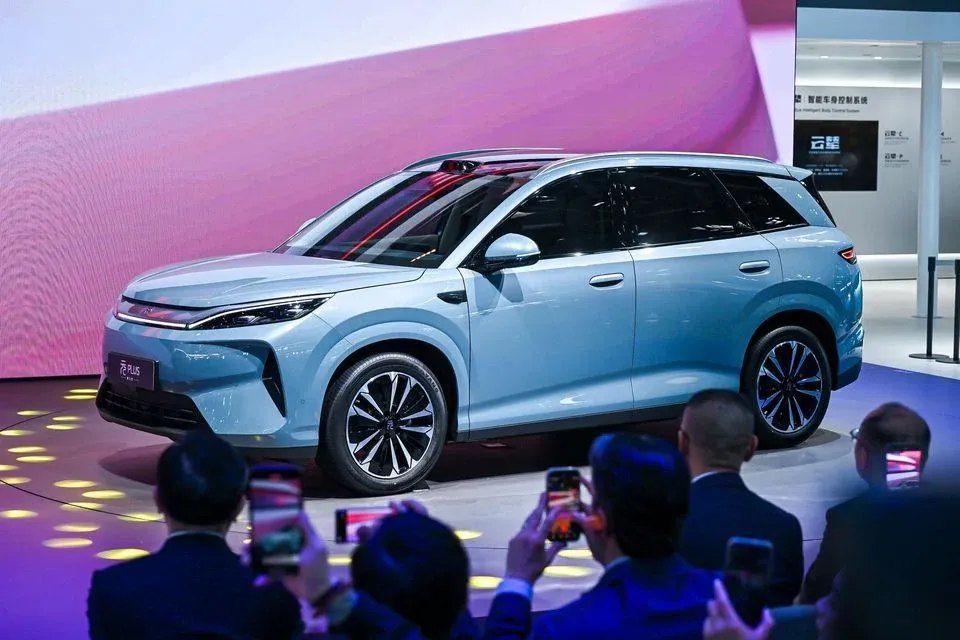
What makes this even more significant is the nature of the goods being processed. We’re not talking about the usual consumer electronics or textiles. These are electric vehicles, high-value, future-facing commodities that reflect Nepal's increasing appetite for green mobility. The Mustang customs office has successfully processed the clearance of 1,194 EVs, most of which are believed to be Chinese-made. These include a wide mix of passenger vehicles, likely ranging from compact urban EVs to more advanced models used by ride-sharing operators and private buyers across Nepal.
It’s worth noting that the Korala border was only partially open since 2080 Kartik 27, initially serving the local residents of Upper Lomanthang and Lomanthang–Damodar Kunda rural municipalities. Full-scale import/export activity was enabled only after a major operational upgrade and human resource deployment by the Customs Department. In many ways, this opening mirrors broader geopolitical trends. China has been gradually investing in its Belt and Road corridors, and Nepal, though cautious, is strategically aligning some of its logistical infrastructure to tap into that access.
However, the momentum hasn’t been without challenges. The customs office was temporarily closed during the Dashain holidays due to staffing and procedural delays, underscoring just how fragile and nascent this route still is. Moreover, the Himalayan terrain adds further complexity. At an altitude of 4,610 meters above sea level, the Korala pass is one of the highest trade routes in the world. Winters, starting from Mangsir to the end of Falgun, make year-round operation nearly impossible. Vehicles struggle to run in subzero conditions, water sources freeze, and even border personnel often retreat to lower altitudes.
Post-Dashain, an additional 229 EVs and 12 freight trucks were cleared, suggesting that even with seasonal constraints, the demand and throughput remain strong. In contrast, Nepal’s exports through the same route have been minimal, with only five cargo vehicles carrying local products and handicrafts making their way into China. This imbalance underlines the need for a more structured export promotion policy if Nepal is to benefit from such corridors beyond being just a consumer market.
The strategic importance of this development can’t be overstated. Relying solely on southern entry points from India has made Nepal’s trade highly vulnerable to geopolitical tensions, natural disasters, and over-dependence. An active northern route not only reduces logistical costs for certain regions but also introduces competitive pricing in sectors like EVs, which are heavily incentivized by the Nepali government.
From a national policy lens, this surge in EV imports aligns perfectly with Nepal's energy and environmental goals. With hydropower contributing over 90% of electricity generation, Nepal has the perfect energy mix to support a clean mobility transition. The government’s EV-friendly tax policies, including zero customs duty on certain battery-powered vehicles, are now being complemented by the operationalization of alternate import channels like Korala.
Yet, much remains to be done. The Mustang customs lack year-round infrastructure. Nhechung’s customs point, although strategically located, suffers from a lack of heated shelters, a regular water supply, and adequate storage facilities. Policymakers must prioritize not just the operational status of such border points, but their long-term viability, especially if Nepal wants to diversify its trade portfolio and reduce dependence on Indian ports.
In the bigger picture, the entry of over a thousand electric vehicles through a once-forgotten high-altitude border is more than just a headline. It’s a moment of economic symbolism, one that marks Nepal's growing confidence in its strategic autonomy, logistical capabilities, and commitment to a greener future. The Korala checkpoint, previously dormant and symbolic, has now quite literally become a gateway to the future.