The global electric vehicle shift doesn’t slow down if anything, Q3 of 2025 proved that the world is now fully committed to electrification. What felt like a slow, policy-driven transition a few years ago has turned into a competitive, innovation-led race, and the numbers from TrendForce underline this momentum. With 5.39 million new energy vehicles sold in a single quarter and BEVs surging by nearly 50 percent, the tempo is impressive. But the highlight remains unmistakable: BYD once again leads the world in pure electric vehicle sales.
And this isn’t just about one brand topping a chart. It’s about a much bigger story: global shifts in consumer confidence, subsidy-driven fluctuations in specific markets, and the rise of Chinese carmakers as global pace-setters. Q3 offers a snapshot of a rapidly reshaping automobile ecosystem, and understanding this shift gives clarity on where the next decade of mobility is headed.
Global NEV Momentum in Q3 2025
Global NEV demand remained strong, reaching 5.39 million units, a 31 percent year-on-year jump. Battery electric vehicles did most of the heavy lifting, expanding to 3.71 million units and posting an impressive 48 percent growth. Plug-in hybrids, meanwhile, grew modestly by 4 percent, reaching 1.67 million units.
This gap between BEV and PHEV growth is telling. It reflects maturing consumer confidence in all-electric vehicles, better charging access, and falling battery costs. PHEVs still play an important role, especially in markets transitioning from ICE to fully electric, but the momentum clearly favors BEVs and Q3 makes that obvious.
BYD Secures Global BEV Leadership Again
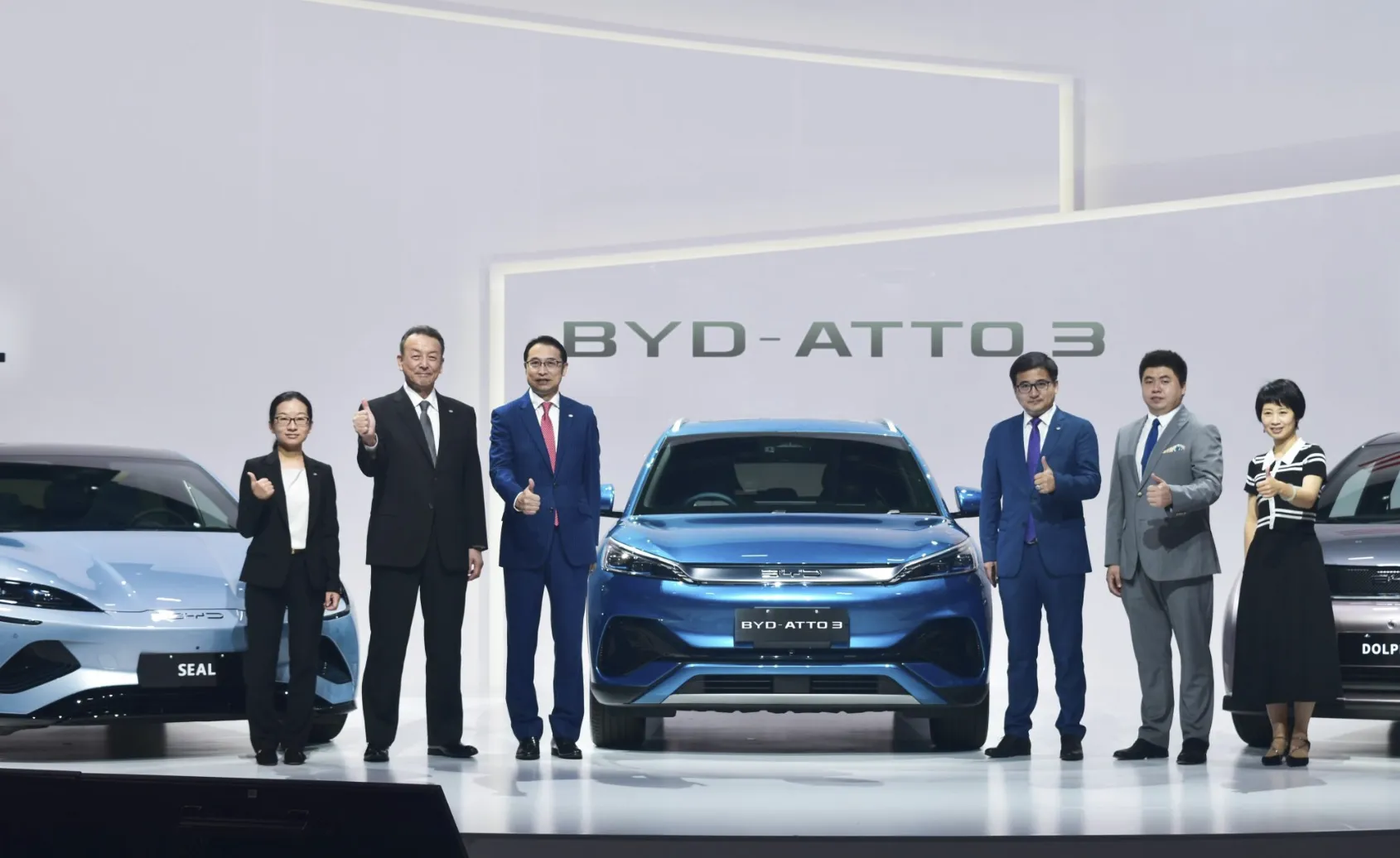
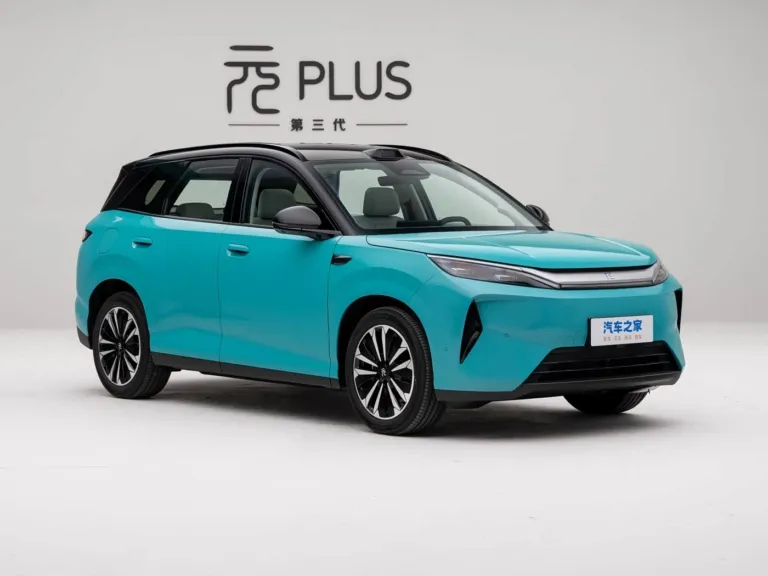
If there’s one brand that embodies the rise of affordable, high-volume electrification, it’s BYD. With a 15.4 percent global BEV market share in Q3, BYD retains its position at the top. The quarter-on-quarter dip in share doesn’t change the narrative that the Chinese giant is still far ahead of its nearest competitor.
What makes BYD’s BEV dominance particularly interesting is how it’s doing this amid tougher competition and without relying on major foreign subsidies. BYD’s vertical integration, battery innovation, and aggressive pricing are shaping the global BEV landscape more than any other manufacturer right now.
Tesla Regains Momentum
Tesla followed with 13.4 percent market share, supported by a strong quarter, especially in China. The EV pioneer saw a 29 percent sequential rise, helped by the final phase-out of certain U.S. federal subsidies, which boosted short-term demand. This shows how sensitive Tesla’s home market can be to policy adjustments.
While Tesla is still the global benchmark for premium EVs, Q3 highlights an important shift: its dominance is no longer guaranteed. Competition in both China and Europe is tightening, and brands like BYD and Geely are closing gaps rapidly.
The Rise of Geely and Leapmotor
In third and fourth place, Geely (6 percent) and Leapmotor (4.1 percent) continue their upward trajectory, outperforming Xpeng for the second consecutive quarter. This is a defining moment for China’s multi-brand ecosystem, lower-cost innovation, fast production cycles, and the growing acceptance of Chinese EVs in export markets are reshaping global standings.
Geely’s steady climb shows the strength of a diversified portfolio, while Leapmotor reflects the demand for value-driven EVs.
Volkswagen and Hyundai Struggle
Legacy giants struggled this quarter. Volkswagen fell to seventh place due to severe declines in its China business, which overshadowed improvements in Western markets. Hyundai also slipped to ninth overall.
This is the reality many established brands face: even with quality products, competing on price, localization, and battery supply chain control against aggressive Chinese brands is tough. Q3 exposes the widening performance gap between legacy automakers and newer, more agile EV players.
PHEV Segment: Tougher Competition for BYD
In the plug-in hybrid space, BYD felt the pressure. Q3 PHEV sales rose compared to Q2 but fell year-on-year, reflecting saturation in the domestic Chinese market and stronger competition.
AITO, Chery, and Geely took over second, third, and fourth spots respectively. Chery in particular posted exceptional growth, achieving a 6.6 percent share, a statement that PHEVs are evolving beyond China’s first wave of early leaders.
Li Auto, previously the star of extended-range EVs, slipped with quarterly and annual declines. The company now faces stiffer competition from REEV-focused rivals offering similar range solutions at more attractive price points.
European Brands: Slight Recovery but Still Lagging
Mercedes-Benz and BMW showed mixed performance. Their Q3 numbers weakened compared to Q2, but they still displayed some year-on-year improvements in Western markets. This suggests that while European premiums are stabilizing, they remain far behind the rapid expansion of Chinese EV manufacturers.
The gap is no longer about technology, it's now about scale, pricing, consumer perception, and how fast brands can adapt to changing market rules.
NEV Forecast for 2025 and 2026
TrendForce expects global NEV sales to reach 20.43 million units in 2025, up 25 percent from last year. This projection is strongly tied to Q3’s performance and manufacturers’ push to meet annual targets.
Looking ahead to 2026, the landscape could become more uneven. Regional subsidy differences are expected to widen global disparities. The U.S. market may cool after the end of federal incentives, although the overall electrification trend remains intact. Even with policy headwinds in certain regions, global NEV sales are estimated at 22.8 million units for 2026, marking a 12 percent rise.
What this means is simple: electrification isn’t slowing down, it's just becoming more complex and competitive.
Conclusion
Q3 2025 reinforces that the NEV market is not just growing, it is accelerating. BYD remains the global BEV leader, Tesla has regained some momentum, and Chinese automakers continue reshaping the competitive landscape. Legacy brands face difficult questions about pricing, supply chain control, and market relevance.
As we head into 2026, the industry will enter a more complex phase shaped by shifting subsidies, tightening competition, and consumer preference for higher-value electrification. But the direction is clear: the world is choosing electric, and Q3 shows that the transformation is only speeding up.
-original.webp)
-original.webp)
-original.webp)