There’s a buzz in the Indian automotive world that few launches generate, and the return of the Sierra is one of them. For many car enthusiasts in India, the original Sierra, launched by Tata Motors in the early 1990s, was more than just a utility vehicle. It was a distinct automotive statement: bold, boxy, and full of character. Now, more than thirty years after its first appearance, Tata is set to relaunch the Sierra on 25 November 2025.
This isn't simply a revival of a nameplate, but a deliberate attempt to bridge nostalgia and modernity, leveraging the emotional connection many Indian drivers have with the name “Sierra”, while equipping it with all the contemporary tech and performance required to compete in today’s fiercely contested SUV market. For Tata, this is a strategic move: slotting the Sierra between the Curvv and the Harrier in its portfolio suggests the brand is targeting a segment that demands both style and substance.
Design & Styling
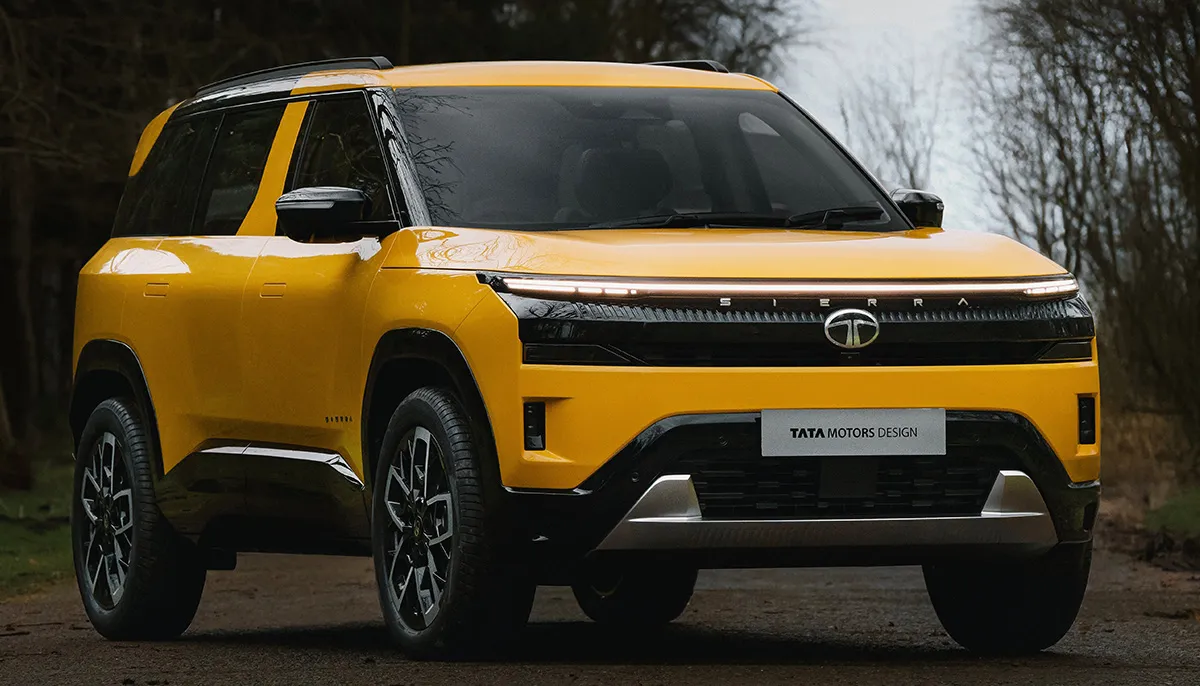
The design of the new Sierra remains one of its most compelling facets. Tata has preserved key visual DNA from the original model, particularly the signature glasshouse silhouette and boxy wheel arches, while adapting them for a 2025-era SUV.
Exterior Highlights
-
The front fascia presents a wide gloss-black grille in the ICE version, while the EV variant is expected to feature a body-coloured, enclosed design to emphasise its zero-emission identity.
-
On the side profile, Tata retains the large “alpine window” design, a high-set rear glass area that recalls the original Sierra’s distinctive styling, but now paired with modern elements like flush door handles and a sharp roofline.
-
At the rear, a connected LED light bar is anticipated, giving the silhouette a futuristic touch while retaining its rugged stance. Large multi-spoke alloy wheels and a prominent rear spoiler round off the package.
From an expert standpoint, this is a savvy design strategy: by re-imagining a classic look rather than simply replicating it, Tata taps into emotional appeal and meets modern expectations. In a segment where visuals play a strong role in purchase decisions, the Sierra’s look gives it a chance to stand out against the sea of ever-evolving compact SUVs.
Interior & Ambience
Inside, the Sierra aims to deliver a premium experience. Multiple sources suggest a three-screen layout across the dashboard, encompassing a digital instrument cluster, central infotainment screen, and a dedicated passenger-side display on higher trims.
Additional interior features expected include ventilated seats, a panoramic sunroof, ambient lighting, and high-quality materials across surfaces. These elements indicate Tata is targeting a level of refinement that goes beyond the typical value-focused compact SUV. The attention to detail here signals that the Sierra is not just about function, but about driving emotion and experience.
Performance & Powertrain Options
One of the standout aspects of the new Sierra is the breadth of powertrain options Tata is planning. The company will launch the internal-combustion (ICE) variants first, with the electric version to follow.
ICE Variants
-
A new 1.5-litre turbo petrol engine (T-GDI) is expected to debut in the Sierra, offering strong performance combined with efficient packaging.
-
In the diesel camp, either the existing 2.0-litre unit (used in the Harrier/Safari) or a newly tuned 1.5-litre diesel may find its way beneath the Sierra’s bonnet.
-
Initial reports suggest the ICE Sierra could begin from an ex-showroom price of around INR 11 lakh, positioning it competitively in its class.
From an expert lens, this multi-powertrain approach is smart. Tata acknowledges that while EVs are growing, the Indian market still has strong demand for petrol/diesel. By launching ICE first, they can capture volume early, establish the model, and then ride the wave of electrification when the EV version arrives.
Electric Variant
The EV version of the Sierra promises to tap into Tata’s developing electric architecture and technologies. While Tata hasn’t disclosed full details yet, speculation suggests the EV Sierra may share its powertrain with the Harrier EV, making it capable of being not just a family SUV but one with credible EV performance.
When it does arrive, this EV variant will help the Sierra future-proof itself, especially as India’s regulatory environment, infrastructure and consumer preference continue shifting towards electrification.
Features & Technology
In today’s competitive SUV segment, features and technology often make or break a model. From what’s disclosed so far, the Sierra appears to be well-equipped:
-
Triple-screen dashboard setup (including a dedicated passenger display) gives both a visual and tech edge.
-
Driver-assistance technologies: Level 2 ADAS features (lane-keeping assist, adaptive cruise control etc.), 360° camera system, and possibly more advanced connectivity and OTA capabilities.
-
Comfort and convenience features: panoramic sunroof, ventilated front seats, wireless phone charger, ambient lighting etc, suggest Tata aims to deliver a more premium cabin experience than we typically see in this segment.
From an expert perspective, this kind of equipment list is what elevates a vehicle from merely functional to desirable. For buyers comparing the Sierra to rivals like the Hyundai Creta or Kia Seltos, these features could make the difference in their decision-making.
Conclusion
Mark 25 November 2025 on your calendar. When the new Tata Sierra hits the stage, it will be more than a product reveal, it will mark the revival of a name, re-imagined for today’s India. For buyers, it offers an intriguing mix of legacy, design, technology and choice. For Tata Motors, it represents a leap into a critical segment with high stakes but also high reward.
Expect the Sierra to arrive with style, substance and ambition, and watch closely how the market responds.